

23rd Nov 2026
How to Kill Super Lice Naturally
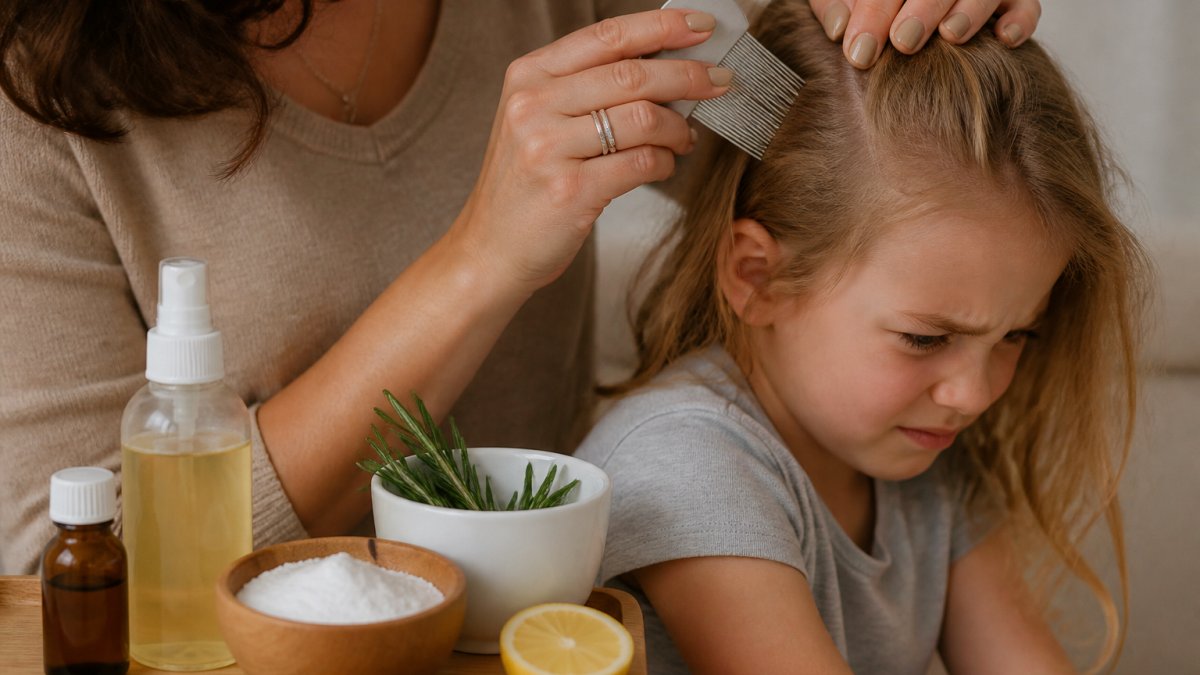
Last Updated: October 28, 2026
Quick Summary
To kill super lice naturally, switch to wet combing every 2 to 3 days until no eggs or nits remain, using conditioner on damp hair to slow the lice down. Super lice survive pyrethroid shampoos, so non-chemical combing is the reliable path when treatments fail.
- Comb every 2 to 3 days until no more eggs or nits are seen.
- Leave conditioner on damp hair about 20 minutes before combing.
- Live lice 24 hours after a correct treatment suggest resistance.
- A metal nit comb with closely spaced teeth beats a plastic comb.
- Lice die within a day or two off the human head, so skip fogging.
Table of Contents
- What Super Lice Are and Why Standard Treatments Fail
- Wet Combing for Head Lice: A Day-by-Day Schedule
- How to Remove Lice Eggs from Hair Without Missing Any
- Head Lice Treatment Failure: What to Check Before You Switch Methods
- Evidence-Graded Natural Remedies: What Works, What's Unproven, and What to Avoid
- How Long Does It Take to Get Rid of Head Lice?
- Verifying Success and Avoiding Unnecessary Household Cleaning
- Choosing a Non-Toxic Treatment Kit for Your Family
- Frequently Asked Questions
What Super Lice Are and Why Standard Treatments Fail
Super lice are head lice that have developed resistance to the pyrethroid chemicals found in most drugstore lice shampoos. If you're wondering how to kill super lice naturally, the first step is understanding why the standard bottle failed you in the first place.
Here's the short answer: it probably wasn't your fault, and it probably wasn't the dose.
Super lice are lice populations that survive permethrin and pyrethrin treatments, the active ingredients in the majority of over-the-counter lice shampoos. A 2004 study reported by Baystate Health's lice treatment overview found the Cetaphil method achieved a 96-97% success rate against drug-resistant lice, which tells you something important: when chemical treatments fail, physical and non-chemical methods often still work.
How Resistance Is Confirmed
Resistance is confirmed through genetic testing of lice samples, though in practice most families never get that confirmation. What parents actually see is treatment failure: live lice still crawling 24 hours after a properly applied treatment.
Three signs point to resistance rather than user error:
- Live, moving lice found 24 hours after treatment
- Lice that survive two rounds of the same chemical product
- A pattern of reinfection across a school or household
Wet Combing for Head Lice: A Day-by-Day Schedule
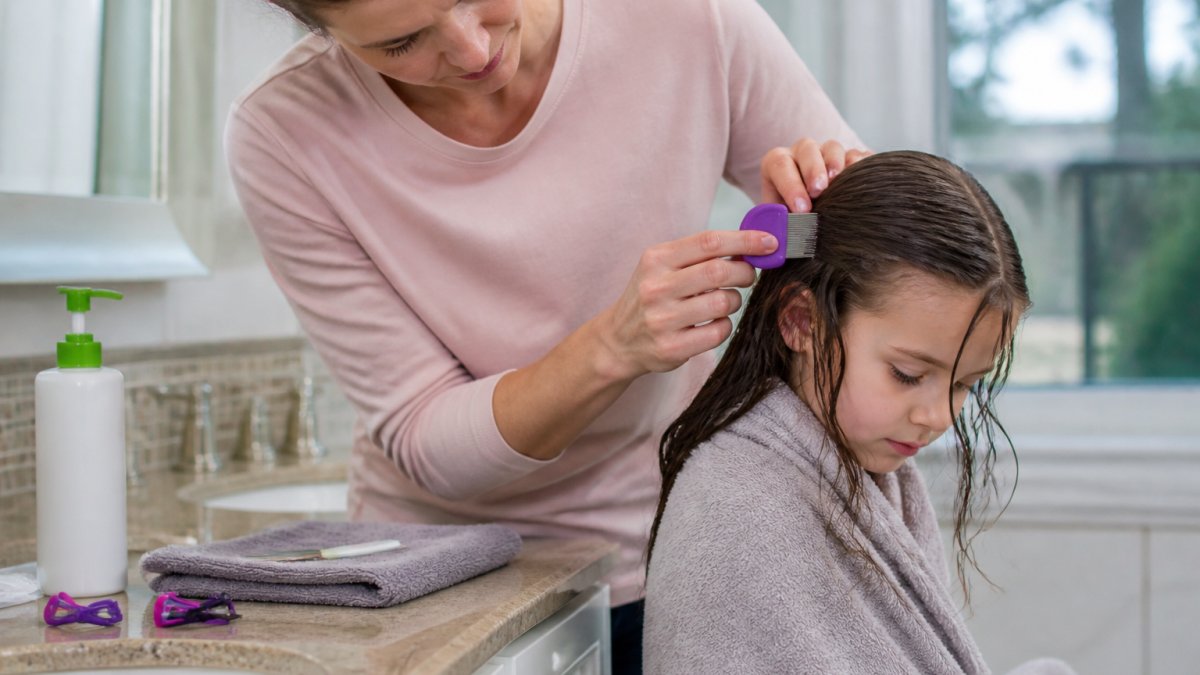
A clinical review available through PubMed Central's head lice management guidance recommends combing every 2 to 3 days until no more eggs or nits are seen. That cadence matters, because it catches newly hatched lice before they can lay eggs of their own.
| Day | Action | Time Needed | What to Look For |
|---|---|---|---|
| Day 1 | Wet hair, apply conditioner, comb section by section | 30 min | Live lice, eggs, nits |
| Day 3 | Repeat full combing | 25 min | Fewer live lice |
| Day 6 | Repeat full combing | 25 min | Newly hatched nymphs |
| Day 9 | Repeat full combing | 20 min | Stragglers |
| Day 12 | Repeat full combing | 20 min | Should be clear |
| Day 14 | Final verification comb | 20 min | No lice, no nits |
What most guides miss: the conditioner isn't optional. NSW Health Pathology's wet combing guidance describes leaving conditioner on damp hair for around 20 minutes before combing, which slows the lice down and makes them easier to catch.
How to Remove Lice Eggs from Hair Without Missing Any
- Work in small sections. Clip up the hair and treat one 2-3 cm section at a time.
- Comb from root to tip. Start right at the scalp, where eggs are laid.
- Wipe the comb on a white paper towel after each pass so you can see what you've caught.
- Check behind the ears and at the nape of the neck. These are the warmest spots and where nits concentrate.
- Repeat each section until the comb comes up clean.
A nit comb with closely spaced metal teeth removes eggs far more effectively than a plastic comb. The clinical review on head lice management notes that starting with small sections of wet hair is key to reliable removal. Consistent mechanical removal remains the most reliable approach for treating skin parasites, though integrating botanical oils can further assist in loosening the stubborn adhesive that keeps nits attached to the hair shaft.
Head Lice Treatment Failure: What to Check Before You Switch Methods
Before you assume you're dealing with super lice, rule out the boring explanations. Head lice treatment failure is often a technique problem, not a resistance problem, and the distinction matters because it determines whether you need a different chemical, a non-chemical approach, or simply a better combing routine.
Rule Out User Error First
- Was the product left on long enough? Rinse-off treatments have a minimum contact time; cutting it short leaves lice alive.
- Was conditioner used before treatment? It can coat the hair shaft and block the chemical from reaching lice.
- Was the treatment repeated? Most chemicals kill lice but not all eggs, so a second round 7-9 days later is standard.
- Was everyone in the household checked? One untreated head reinfests the whole house within days.
- Were combs and brushes cleaned? A hot-water soak handles this; sharing a contaminated comb can reinfest.
What 'Super Lice' Actually Means
The term super lice is widely used but often misunderstood. It does not describe a separate species or a new kind of insect. It refers to head lice populations that have developed resistance to pyrethroid insecticides, primarily permethrin and pyrethrin, which are the active ingredients in most over-the-counter lice shampoos.
When Treatment Failure Is Not Resistance
If you've treated correctly, repeated the treatment on schedule, checked everyone in the household, and lice are still alive 24 hours after the second round, assume resistance and switch to wet combing and a non-chemical approach. The next section shows you exactly how.
Evidence-Graded Natural Remedies: What Works, What's Unproven, and What to Avoid
Unproven but low-risk:
- Mayonnaise and petroleum jelly. These may smother some lice, but no reliable data confirms it.
- Olive oil and cooking oil. A clinical review available through PubMed Central's review of lice remedies found no reliable data that olive oil immobilizes or suffocates lice. Lice Clinics of America's treatment guidance also notes olive oil does not kill eggs.
Avoid or use with caution:
- Vinegar. No evidence it kills lice or dissolves nit glue.
- Butter and almond oil. Messy, unproven, and hard to wash out.
- Tea tree oil, lavender oil, eucalyptus oil. Johns Hopkins Medicine's lice guidance notes these remedies are used by some parents but describes them as messy, and there's no strong evidence they kill lice.
Essential Oils: Safety and Evidence for Each One
If you use any essential oil, dilute it heavily and patch-test first. Better yet, choose a formulated product that's already been tested for skin safety.
How Long Does It Take to Get Rid of Head Lice?
Plan for at least two full treatment cycles. Anyone who promises one-and-done is selling you something.
Verifying Success and Avoiding Unnecessary Household Cleaning
Here's what you can skip: fogging the house, bagging every stuffed animal for weeks, and washing every surface. Lice die within a day or two off the human head. Focus your cleaning on:
- Pillowcases and hats used in the last 48 hours
- Combs and brushes, soaked in hot water
- Car headrests, if a child naps there
That's it. The panic cleaning is optional. The combing is not.
Choosing a Non-Toxic Treatment Kit for Your Family
At Natural Ginesis, our non-toxic, bio-degradable enzyme blends are designed as an alternative to harsh chemical-based pesticides. Our products are designed for the body, home, and pets.
Dealing with super lice is frustrating, especially when you've already followed the instructions on two different bottles. Natural Ginesis offers a pesticide-free path forward with bio-degradable enzyme formulas that are safe for your family, your home, and your pets. Our products help eliminate lice while hydrating the scalp and preventing oily build-up, with no harsh chemicals to trigger resistance. Get started with Natural Ginesis and give your family a treatment plan that works with the lice problem instead of against it.
Frequently Asked Questions
Do natural remedies kill super lice and their eggs?
Some do, most don't reliably. Wet combing with a fine-toothed comb removes live lice and eggs mechanically, and a clinical review recommends combing every 2 to 3 days until no eggs or nits remain. The Cetaphil method was reported to have a 96-97% success rate against drug-resistant lice in a 2004 study cited by Baystate Health. Oil-based remedies like olive oil lack reliable data showing they immobilize or suffocate lice, and Johns Hopkins Medicine notes many home remedies are messy and not established as dependable.
How often should you wet-comb hair to remove lice?
A published clinical review recommends combing every 2 to 3 days until no more eggs or nits are observed. Work through small sections of wet, conditioned hair with a fine-toothed nit comb, wiping the comb on a white paper towel after each pass so you can see what comes off. Continue for at least two weeks after the last live louse is found, since eggs hatch on a staggered schedule and missed hatchlings restart the infestation.
How can you tell whether lice treatment has failed?
Treatment has failed if you find live lice moving on the scalp 24 hours or more after a completed treatment, or if new eggs appear near the scalp two weeks later. Dead eggs stay glued to hair and do not mean failure; only live crawling lice or fresh eggs close to the scalp signal an active infestation. Check with a bright light and a nit comb, and if two rounds of a properly applied treatment fail, ask a doctor or pharmacist about prescription options.
What do lice eggs look like on a comb?
Lice eggs are oval, tan to yellowish-white, and glued firmly to individual hairs, usually within 6mm of the scalp. On a nit comb they appear as small seed-like specks that resist being flicked off the hair shaft, unlike dandruff which slides free. After combing, wipe the comb on a white paper towel to spot them easily. Empty egg casings look paler and sit further from the scalp as hair grows out.
