

28th Nov 2026
Why Natural Enzyme Cleaners Kill Pests: What Works
Last Updated: November 7, 2026
Quick Summary
Enzyme cleaners kill pests indirectly by breaking down the organic matter pests live in, feed on, and leave behind, not by poisoning them on contact. They digest proteins, fats, and oils in residue, removing food sources and harborage, but they are not a substitute for proven knockdown treatments.
- Enzymes need dwell time to work, so spraying and immediately wiping mostly just wets the surface.
- Letting a treated surface dry out too early stops the enzymes cold, so keep carpets and drains damp.
- A cleaning product is not automatically an approved pesticide; check the label for intended use and registration.
- Never mix an enzyme cleaner with bleach or strong disinfectants, which can kill the enzymes and bacteria.
- For active bed bug or flea infestations, pair enzyme cleaning with heat, veterinary control, or a licensed professional.
Table of Contents
- What Enzyme Cleaners Actually Do to Pests
- How Bio-Enzymatic Cleaners Differ From Conventional Cleaners
- How Long Enzyme Cleaners Take to Work
- Choosing a Bed Bug Spray for Home Use
- Using an Enzyme Cleaner for Fleas on Pets and Floors
- An Enzyme Cleaner for Lice: Realistic Expectations
- How to Apply Enzyme Cleaners Safely, Step by Step
- Picking the Right Enzyme Product for Your Household
- Frequently Asked Questions
What Enzyme Cleaners Actually Do to Pests
Enzyme cleaners are not poisons. They break down the organic matter pests live in, feed on, and leave behind.
Here is the honest version most guides skip: a spray bottle of enzymes is not a kill-on-contact insecticide.
- Enzymes digest organic residue. They break proteins, fats, and oils into simpler compounds.
The University of Florida IFAS Extension guidance on natural pest products notes that most natural products break down quickly when exposed to sunlight, air, or moisture. That is a real limitation, and it is why application matters as much as the formula.
How Enzymes Break Down Organic Matter
Enzymes are proteins that speed up chemical reactions. In a cleaner, they act like tiny scissors, cutting large organic compounds into smaller pieces that rinse or wipe away.
Think of a greasy stovetop film or a dried pet stain. Both are organic matter. Enzymes target the specific bonds holding that matter together.
The process works in stages:
- The cleaner wets the surface and the enzymes make contact with the soil.
- Enzymes attach to their target compounds, mostly proteins and fats.
- Those compounds break into smaller, water-soluble pieces.
- A wipe or rinse carries the residue away.
This is why dwell time matters. Enzymes need contact time to work. Spray and immediately wipe, and you have mostly just made the surface wet.
How Bio-Enzymatic Cleaners Differ From Conventional Cleaners
Conventional cleaners usually attack grime with surfactants, solvents, bleach, or harsh acids. They lift and dissolve soil fast. Bio-enzymatic cleaners take a slower, biological route, using enzymes and often non-pathogenic bacteria to digest organic matter over time.
The trade-off is speed versus persistence.
| Feature | Conventional Cleaner | Bio-Enzymatic Cleaner |
|---|---|---|
| Main action | Dissolves or lifts soil | Digests organic matter |
| Speed | Fast | Slower, needs dwell time |
| Residual effect | Little to none | Keeps working while wet |
| Odor control | Masks or bleaches | Removes the source |
| Best for | Grease, hard surfaces | Stains, odors, drains, porous surfaces |
A common mistake is judging an enzyme product by how it feels in the first minute. It may not foam much or smell strongly, that is the point.
How Long Enzyme Cleaners Take to Work
How long an enzyme cleaner needs depends on the surface and the severity of the soil, and the label's stated dwell time is the best guide.
How long enzyme cleaners take to work depends on three things: surface porosity, soil age, and how much product stays in contact.
Watch out: letting the surface dry out too early stops the enzymes cold. On carpets and drains, keep the area damp so the enzymes and bacteria stay active.
Choosing a Bed Bug Spray for Home Use
The right bed bug spray for home use is one you apply to the surfaces where bed bugs hide and travel, not one you spray into the air. Enzyme-based cleaners work by breaking down organic residue and odors, which may help with cleaning and deodorizing areas where bed bugs have been present.
What enzyme cleaners can and cannot do to bed bugs
Enzymes in a cleaner break down proteins, fats, and oils in organic soil, but a bed bug's outer cuticle is not the same as a greasy film or a dried stain. Enzyme cleaners are not a substitute for a proven knockdown treatment for bed bugs.
Regulatory status and label guidance
A cleaning product is not automatically an approved pesticide. In the United States, products that claim to kill, repel, or mitigate pests generally require registration with the Environmental Protection Agency under the Federal Insecticide, Fungicide, and Rodenticide Act.
A safe, step-by-step approach
- Inspect first. Check mattress seams, box springs, bed frames, headboards, and nearby wall voids. Confirm live activity before treating.
- Clean and deodorize. Apply the enzyme cleaner to seams, frames, and floors where residue collects, following the label dilution and dwell time.
- Respect contact time. Leave the product wet for the full label dwell time, then wipe or blot. Do not let it dry out early.
- Ventilate and clear the area. Keep people and pets out until surfaces are dry.
- Repeat as needed. Reapply every few days during active cleaning, and inspect for new signs.
- Pair with proven methods. Use heat treatment, mattress encasements, interceptors, and inspection. For an active infestation, a licensed professional is the appropriate route.
Watch out: do not mix an enzyme cleaner with bleach or a strong disinfectant, because that can kill the enzymes and the bacteria that do the cleaning work.
When another method is more appropriate
If you have confirmed live bed bugs, sanitation alone will not resolve the infestation. Registered pesticides, heat, and professional treatment are more appropriate for knockdown. An enzyme cleaner is best used to remove the organic residue that makes harborage attractive and to help you monitor activity, not as a replacement for a treatment plan.
Using an Enzyme Cleaner for Fleas on Pets and Floors
An enzyme cleaner for fleas is best used on the environment, not as a treatment poured onto your pet. It digests the organic matter in flea dirt, dried waste, and the residue fleas and their larvae live in, especially in carpets, bedding, and cracks.
Flea larvae feed on organic debris in carpet fibers and floor cracks, so removing that debris removes a food source. Adult fleas, however, live on the host and only visit the environment to lay eggs.
Results vary by life stage: eggs and larvae in exposed carpet are more affected by cleaning and drying than pupae in protected cracks. Repeated cleaning and vacuuming, combined with veterinary flea control for the pet, is what breaks the cycle.
Claims that enzyme cleaners kill fleas should be separated from claims that they clean the environment. Independent controlled studies on flea mortality from enzyme cleaners are limited, and a cleaner is not automatically an approved pesticide.
A practical routine
- Wash pet bedding on a hot cycle.
- Vacuum carpets, rugs, and furniture seams thoroughly, and dispose of the vacuum bag or empty the canister outside.
- Apply the enzyme cleaner to carpets and floors, following the label dilution and dwell time.
- Keep the area damp for the recommended dwell time so the enzymes stay active.
- Repeat every few days during an active flea cycle, and continue vacuuming.
- Treat the pet with a veterinarian-recommended flea product, and treat other pets in the household at the same time.
Check with your vet before using any cleaner near your pet, and keep animals off treated floors until dry.
Watch out: letting treated carpet dry out too early stops the enzyme action, and skipping vacuuming leaves the organic debris that flea larvae depend on.
When another method is more appropriate
For an active flea infestation, veterinary flea control for the animal and consistent environmental cleaning are the core of the plan. In severe cases, a licensed pest professional may be needed to address pupae and protected harborage.
An Enzyme Cleaner for Lice: Realistic Expectations
An enzyme cleaner is not a substitute for treating the scalp. It can be used for cleaning surfaces and fabrics that a person has contacted.
Lice do not survive long off the head, so the priority is treating the person and washing recently used fabrics.
- Soak combs and brushes in a diluted enzyme solution.
- Spray non-washable items like helmets and car seats, then let them dry fully.
- Wash bedding and hats in hot water.
For scalp treatment, follow a product made for the body. Natural Ginesis offers products designed for the body, home, and pets.
How to Apply Enzyme Cleaners Safely, Step by Step
Safe application comes down to four habits: read the label, test first, keep good contact time, and let surfaces dry before use. "Natural" does not mean "no rules."
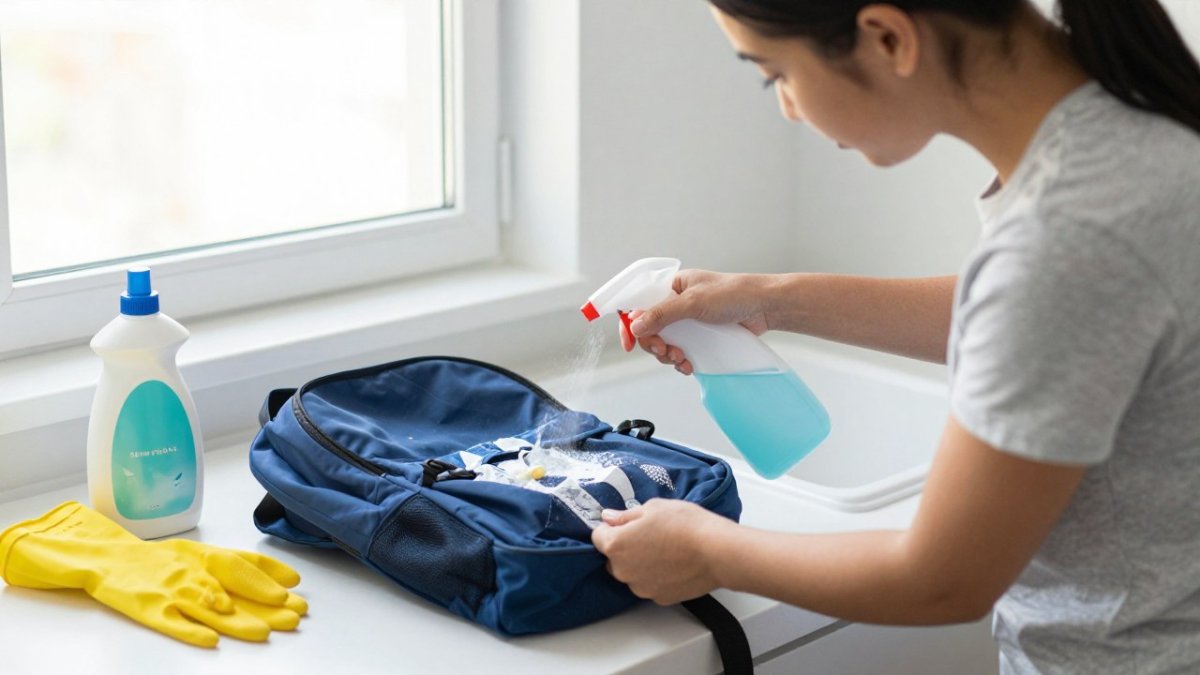
- Read the label. Check the dilution rate and which surfaces it suits.
- Test a hidden spot. Try a small area first, especially on fabrics and finished wood.
- Clear the area. Remove pets and kids, and ventilate the room.
- Apply and saturate. Wet the surface but do not flood it.
- Respect the dwell time. Leave it for the full contact time on the label.
- Wipe or blot. Remove loosened residue, then let the surface dry.
- Store it correctly. Keep the cap tight and away from heat and sunlight.
Watch out: mixing an enzyme cleaner with bleach or strong disinfectants can kill the enzymes and the bacteria, wiping out the very action you paid for. Keep them separate.
Picking the Right Enzyme Product for Your Household
Match the product to the job, not the other way around. A body-safe formula, a floor and carpet formula, and a drain formula each solve a different problem, and one bottle rarely does all three well.
- What is the surface? Fabric, hard floor, drain, or skin and scalp.
- Is it pet-safe? Confirm the label lists pets and the intended surface.
- Is it body-safe? For lice or skin use, pick a product made for the body.
- What is the dwell time? Longer times suit carpets and drains.
- Is it biodegradable? A plus for households cutting chemical load.
Natural Ginesis offers non-toxic, biodegradable products built on an organic enzyme blend, designed for body, home, and pets.
The honest takeaway: enzymes are a cleaning and odor-control tool that can support a broader pest management plan. Use them for cleaning and deodorizing, and pair them with proven pest methods for the pests themselves.
Pests keep coming back when the environment keeps inviting them. Natural Ginesis gives you a non-toxic, biodegradable way to remove that invitation, with an organic enzyme blend safe for body, home, and pets. Our formulas help eliminate common pests like lice, bed bugs, and fleas while removing the dirt, germs, and odors that draw them in. Get started with Natural Ginesis and build a gentler, more consistent pest-control routine for your whole household.
Frequently Asked Questions
Can enzyme cleaners kill bed bugs, fleas, or lice?
Enzyme cleaners are not contact insecticides. They break down organic residues like shed skin, feces and oils that pests feed on or follow, which can make a space less hospitable. Direct kill claims are not well supported by independent testing, so treat them as part of a wider routine. For body pests such as lice, use a product formulated for skin and follow its label. For bed bugs, combine cleaning with heat treatment and a pest professional.
How long do enzyme cleaners need to work before you wipe them away?
Contact time matters more than most people expect. Enzyme cleaners need to stay wet on the surface long enough for the enzymes to work, so follow the dwell time stated on the label. Read the label for the stated dwell time, apply enough to keep the area damp, and do not rinse or wipe immediately. Dry surfaces stop the reaction early.
Is white vinegar an enzymatic cleaner?
No. White vinegar is an acid that can dissolve some mineral deposits and reduce odors, but it contains no enzymes and no live cultures. It works through a different mechanism and does not digest organic matter the way a bio-enzymatic cleaner does. Mixing vinegar into an enzyme product can also lower the pH and reduce enzyme activity, so keep them separate unless the label says otherwise.
Are enzyme cleaners safe to use around pets and children?
Safe use still requires precautions. Keep pets and children off treated surfaces until they are dry, ventilate the room, and store bottles out of reach. Never use a floor or surface product on an animal's skin unless the label says it is made for that. Check the label for the specific surfaces and species it covers.
